
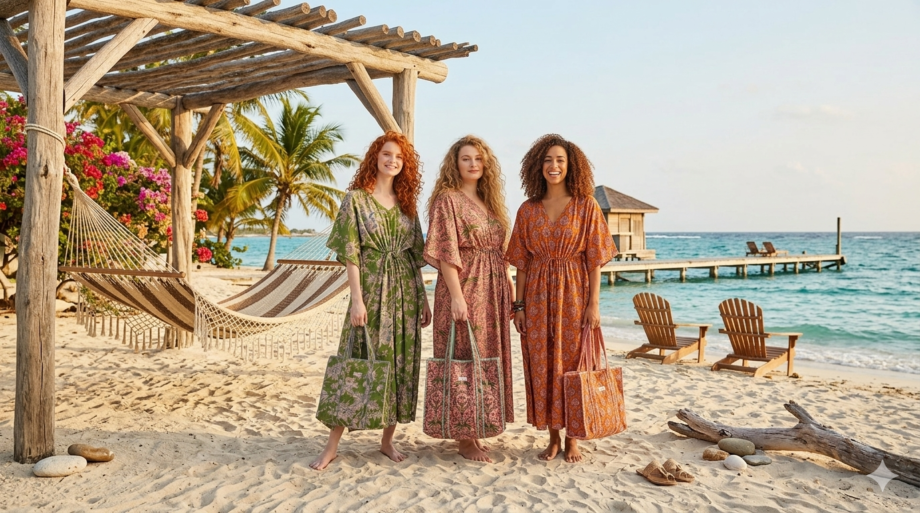
Handcrafted item or mass-produced product: what is the difference in value?
At first glance, a handcrafted item and an industrial product may appear similar. Yet their value differs. Industrial production focuses on quantity and cost reduction, whereas a handcrafted piece is made by hand with attention to every detail. This difference is reflected in the quality, durability and the connection formed with the object, hence the rise of premium artisanal fashion, which is increasingly sought after for its depth and authenticity.
What distinguishes a handcrafted item from mass-produced goods
An industrial product follows a standardised process designed for mass production. In contrast, a handcrafted item is the result of human choices at every stage, from the selection of materials to the finishing touches. Each piece thus has its own unique identity, something that mass production cannot offer. This uniqueness, moreover, speaks to the same desire as that of women who seek out unique outfits to express their personality.
Why handcrafted products create a perception of superior quality
Handcrafting allows for constant quality control. The artisan checks every detail, refines the finish and ensures a level of consistency that industrial production lines struggle to replicate. This human touch naturally enhances the perception of quality. This is particularly evident when looking at a hand-block-printed textile, where every irregularity tells the story of the craftspeople’s handiwork.
How working hours affect the price and final value
The price of a handcrafted product reflects the time spent creating it. Whereas industry produces quickly, a craftsman invests several hours, sometimes several days, in a single piece. This time gives the object greater value, linked to the actual work that goes into it. In contrast to mass production, this approach is fully in line with the principles of slow fashion, which are based on sustainability, care and meaning.
Factors that add value to handcrafted items
- Carefully selected materials Artisans select high-quality materials to create more durable and authentic products. This is particularly true of items made from printed cotton fabric, which is prized for its feel, drape and visual appeal.
- Human craftsmanship Each creation reflects expertise honed over time, often passed down through the generations. This heritage is particularly evident in Indian craftsmanship, where textile techniques, hand-printing and traditional finishes remain at the heart of the pieces’ value.
- A made-to-measure product
Craftsmanship allows each piece to be tailored to specific requirements, something that mass production cannot offer. This is at the heart of the value of these pieces. - The authenticity of a one-of-a-kind piece
The slight variations in the manufacturing process make each item unique and enhance its perceived value. That is all the charm of fabrics inspired by Indian block print, whose patterns bear the mark of the artisanal touch.
Why do consumers place greater value on artisan products
The emotional connection between the artisan, the object and the buyer 🤝
Buying a handcrafted item, it often means connecting with the person who created it. This direct link creates an emotional connection that is absent from any mass-produced item. The object becomes the vehicle for a shared story, a message — far beyond its mere function.
The story behind every handcrafted creation
Every handcrafted item tells a story: that of the material, the technique, and the craftsman. This narrative quality of the item enriches the shopping experience and builds customer loyalty, transforming an ordinary consumer into a true champion of craftsmanship. In the Bohosoleil world, this philosophy is reflected in pieces such as the handcrafted kimono, which combines everyday wear, elegance and high-quality textile craftsmanship.
The ethical and environmental reasons
- A production process that is more environmentally friendly than conventional methods
Artisanal production uses fewer resources, generates less waste and minimises energy-intensive processes. It often favours more sustainable materials and more responsible consumption. This approach fits naturally within the slow fashion movement. - Supporting local artisans local
Buy a handcrafted item helps to preserve some local skills, supporting local employment and maintaining a economy that is more humane in the face of mass industry. This is also what explains the growing interest in such aesthetic worlds as the bohemian chic or the ethnic chic, which highlight the craftsmanship, the material and the identity of the designs. - A smaller ecological footprint
Small-scale production limits overproduction, unsold stock and long-distance transport. This method of manufacturing naturally reduces the environmental impact of each item.
FAQ :
Why is a handmade product more expensive? Because it incorporates some human time, and materials carefully selected and a level of craftsmanship that cannot be delegated to a machine.
How can you tell if something is genuinely handmade? The slight irregularity of the pieces and the possibility of customisation are good indicators. To go further, it is useful to learn how to recognise a genuine handcrafted textile block print.
Are handcrafted products more sustainable? In the majority of cases, yes; high-quality materials are more resistant to wear and tear.
Why is artisanal fashion becoming more popular these days? In the face of overconsumption and standardisation, craftsmanship responds to a quest for authenticity, sustainability and human connection.
Conclusion
Choosing handcrafted items means rejecting the throwaway culture in favour of sustainability. In contrast to mass-produced fashion, which is often churned out quickly and poorly, handcrafted creations offer unique, carefully made pieces that tell a story. Bohosoleil embodies this approach, placing the quality of materials and authenticity at the heart of every piece. Whether it’s a handcrafted kimono, a block-print tote bag or a handcrafted toiletries bag, choosing craftsmanship is choosing better — for yourself, for the artisans, and for the environment. 🌿